bar
Objective markers
Rhythm and HRV profiles are independent of questionnaire wording — the state is visible in the signals.
Use case for HR, wellness programs, and research: objective markers of stress and recovery depth instead of subjective questionnaire assessments.
EEG-based stress assessment is based on a known psychophysiological shift: under chronic stress, the power of fast beta rhythms increases and alpha activity decreases—the brain 'does not release' into inhibition. By comparing the rhythm profile at rest, under load, and after recovery practices, one can objectively measure how deeply a person recovers, not just how they evaluate themselves.
The scenario uses two levels of measurement. Express assessment—a 5-minute resting recording with stress and relaxation index calculation, suitable for corporate wellness programs and regular self-monitoring. Extended protocol—parallel recording of EEG, ECG (heart rate variability, HRV), and EOG on FLEX: the combination of brain rhythms with HRV provides a more stable state profile and looks good in research reports.
We supply ready-made configurations for such programs: headsets, rest and load protocol templates, report forms, and specialist training. Everything works without a medical circuit — it's a research and wellness tool, not a diagnostic device.
Key signal indicators on which the methodology is built: from basic EEG rhythms to derived indices.
power 8-12 Hz at rest — basic relaxation marker
'continuous inhibition' index: increases with chronic tension
ratio of left and right frontal electrode activity (AF3/AF4)
HRV via parallel ECG — autonomic balance 'fight or flight'
change in rhythm profile during a cognitive test
time for profile return to baseline after a stressor
Defining the scope: express evaluations in the office, a research protocol, or a combined wellness program.
We capture background profiles of participants: rest, light cognitive load, first relaxation attempt.
We schedule follow-up sessions — dynamics matter more than single measurements.
We support the program with relaxation practices and neurofeedback sessions, measuring the effect with metrics.
We create summary reports for the group and individual profiles — with recommendations for routine and workload.
Configurations that most often solve the use case — with a transition to full specifications and photos.
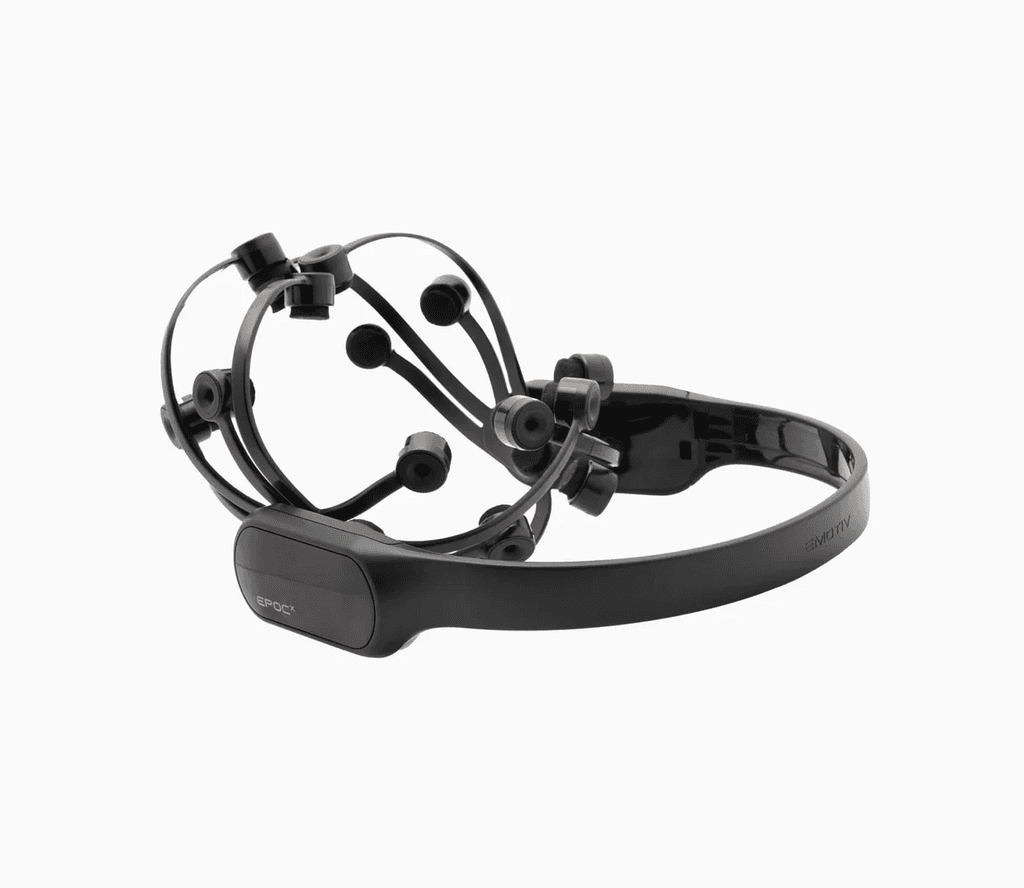 EEG headset
14 channels 10–20 — balanced platform for state assessment protocols
Features and photos →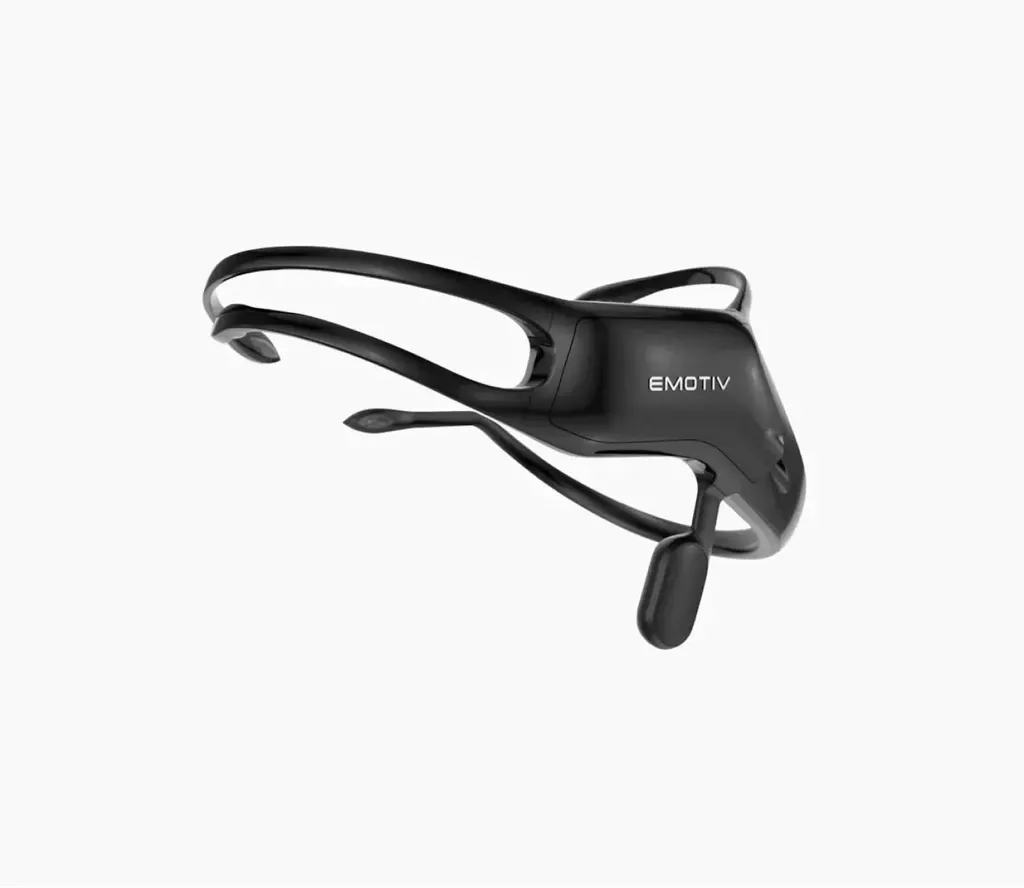 EEG headset
semi-dry sensors and quick setup — format for office rapid assessments
Features and photos →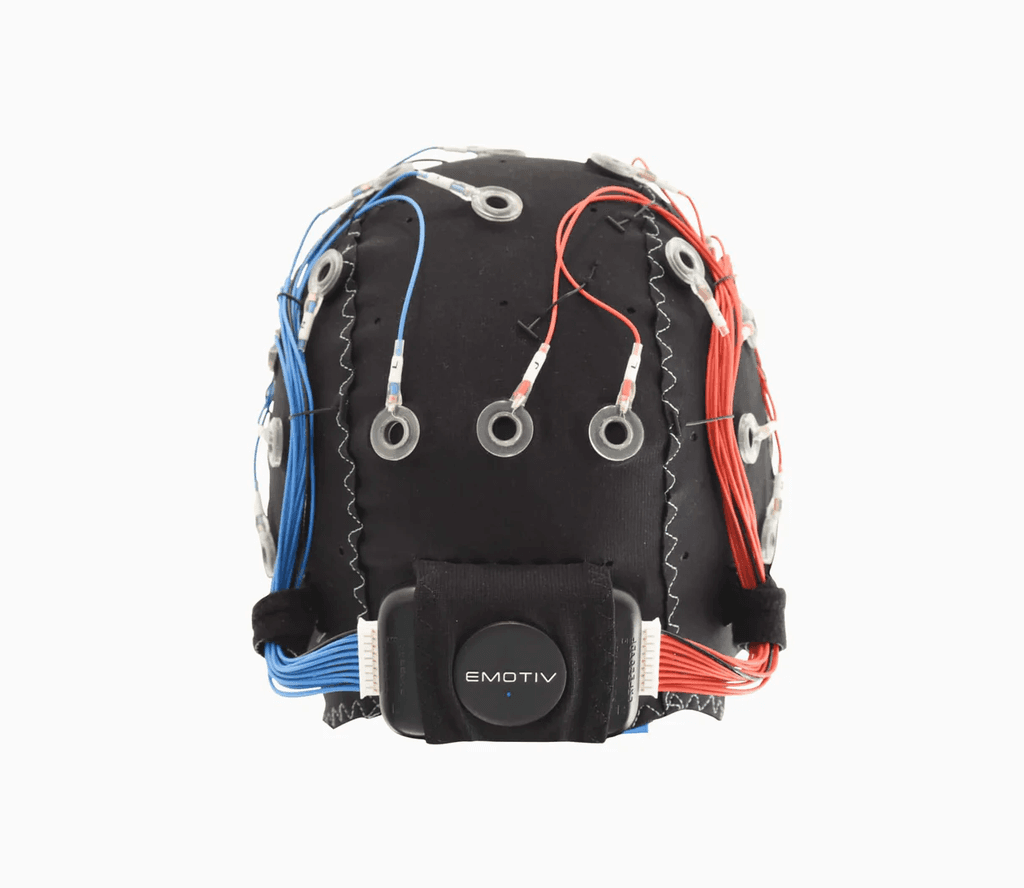 EEG headset
time-locked EEG+ECG+EOG — extended protocols with HRV and lab-quality data
Features and photos →Rhythm and HRV profiles are independent of questionnaire wording — the state is visible in the signals.
A five-minute resting recording fits into the workday and requires no special facilities.
Personal profiles are stored in your system; we help establish correct access protocols.
From simple indices to the EEG+HRV combination — the level of detail scales with the task.
The headset kit allows for entire teams to be examined and for aggregate heatmaps to be built.
Rest/load protocols and report forms are supplied with equipment — in Russian.
Emotiv equipment is not a medical device and is intended for research, development, and wellness scenarios. Device names belong to their respective owners.
We'll send a quote with equipment, software, and timelines — within one business day. A phone consultation takes 10 minutes.