Fatigue isn't visible from the outside
External signs of fatigue appear late. EEG dynamics detects attention decline and monotony in advance — time for replacement or break.
Fatigue and loss of concentration are hidden causes of accidents and defects. The neurointerface provides an objective signal of decreased attention before an incident occurs.
Each industry task has a specific solution: what the neurointerface provides and why it works here.
External signs of fatigue appear late. EEG dynamics detects attention decline and monotony in advance — time for replacement or break.
Fear of penalties silences people about fatigue. In-ear format headsets remove the observer effect: the device is perceived as a work headset, not a surveillance sensor.
Accidents, defects, and downtime cost incomparably more than prevention. An early warning about loss of concentration is direct savings on incidents.
Trainers show actions but not workload. EEG monitoring in education reveals where the course is overloading or, conversely, not creating the right skill tension.
We've selected configurations that most often address industry tasks — with transition to full specifications and photos.
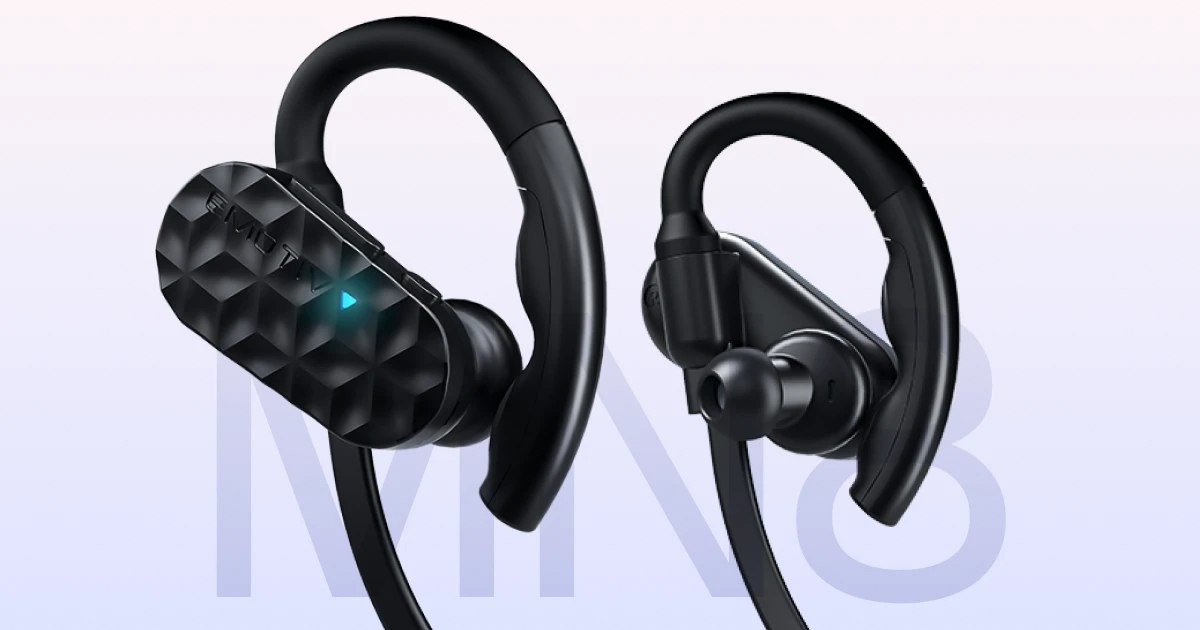 EEG headset
Built for the workday: dry in-ear sensors, built-in microphone for communication, IMU for head movement tracking, up to 6 hours of autonomy.
Features and photos →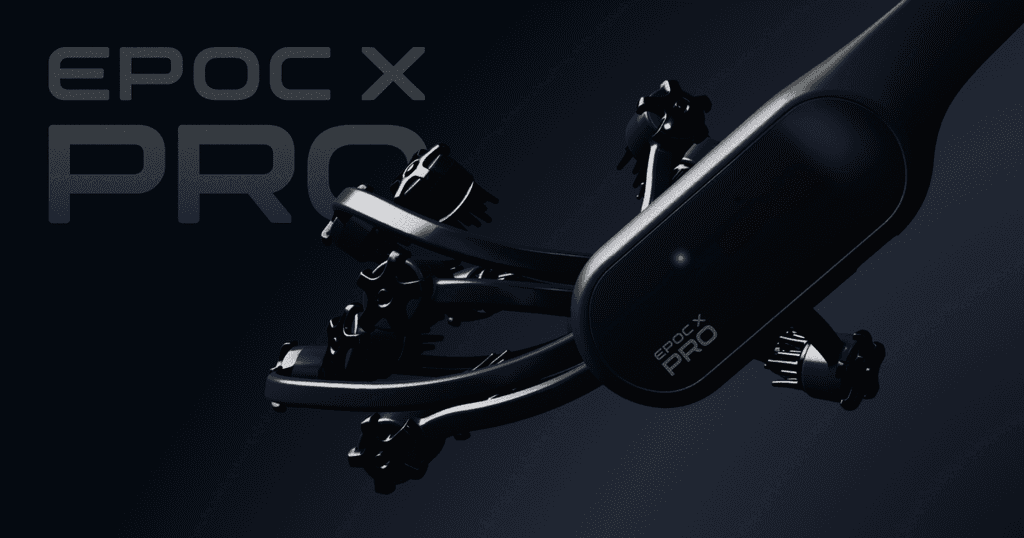 EEG headset
Field research of high class: 16 channels, 24 bits, active amplifiers, Wi-Fi 6 and memory for 8+ hours of recording outside connection range.
Features and photos →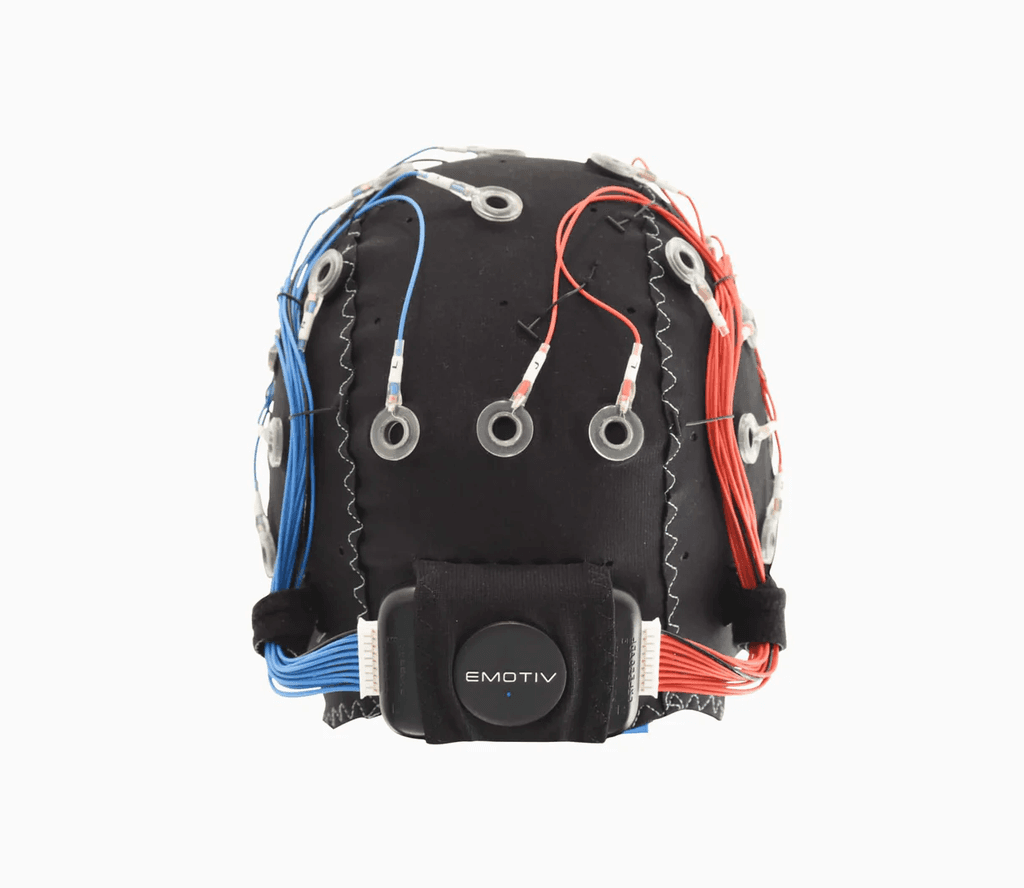 EEG headset
Research protocols in industrial settings: up to 32 channels, gel sensors, parallel EEG + ECG/EMG/EOG for comprehensive state assessment.
Features and photos →Dispatchers, operators of control rooms: continuous attention assessment with warnings of critical decline — a proactive safety contour.
Research and pilot programs on freight and passenger transport: fatigue dynamics during flights, recommendations for work and rest schedules.
Interface and workspace audit: where the operator is overloaded, where bored, which shift segments create load peaks — solutions through reorganization.
Simulators and trainers: EEG shows the real cognitive load of a trainee — the course adapts to the learning pace.
Research framework for assessing cognitive functions and stress resilience in HR programs — as a supplement to tests and interviews.
Post-incident functional state analysis: was there fatigue, mismatch between shifts and circadian profile — for schedule adjustments.
Six measurable benefits: from startup speed to data quality and Russian-language support.
Signal about dangerous attention decline comes before an incident: reaction time system — replacement, break, or additional supervision.
MN8 looks and feels like regular TWS earbuds: doesn't interfere with helmets, glasses, and PPE, doesn't cause 'subject' rejection.
Built-in MN8 microphone supports calls and discussions during recording — communication channel and neuromonitoring in one device.
6-axis IMU accounts for head turns and tilts: algorithms separate motion artifacts from the neural signal — fewer false alarms in mobile work.
Real-time metrics for productivity, attention, and stress, daily and weekly reports — a dashboard for shift supervisors out of the box.
Pilot at your facility, API integration, staff training, and support in Russian — from first demonstration to scaling.
Describe your task: in 10 minutes, we'll select the model, software, and configuration for your industry's scenario.
Quote request — within a business day. Delivery throughout Russia, 12-month warranty.
We set up software and integrations, train your team in Russian: first recordings already on the day of delivery.
We support protocols and data, help scale implementation from pilot to production.
Emotiv equipment is not a medical device and is intended for research, development, and wellness scenarios. Device names belong to their respective owners.
We will send a quote with configuration, prices, and timelines — within one business day. Or call: a consultation takes 10 minutes.