BCI seems fantastical and 'complex'
Ready SDK, project examples, and documentation lower the barrier: basic neurocontrol in Unity works from the start — from idea to demo takes days, not months.
Games that read the player's state: from neurocontrolled concentration power to VR meditations and cognitive training for esports players.
Each industry task has a specific solution: what the neurointerface provides and why it works here.
Ready SDK, project examples, and documentation lower the barrier: basic neurocontrol in Unity works from the start — from idea to demo takes days, not months.
Compact models (MN8 — earbud format, Insight 2 — light headband) can be worn with VR headsets without breaking immersion.
Up to 20 hours of battery life on Insight 2 — a neurogaming evening or tournament day passes without charging and breaks.
Ready-made state metrics update in real time — game designers use them as regular input variables, without needing an ML team or neurophysiology background.
We've selected configurations that most often address industry tasks — with transition to full specifications and photos.
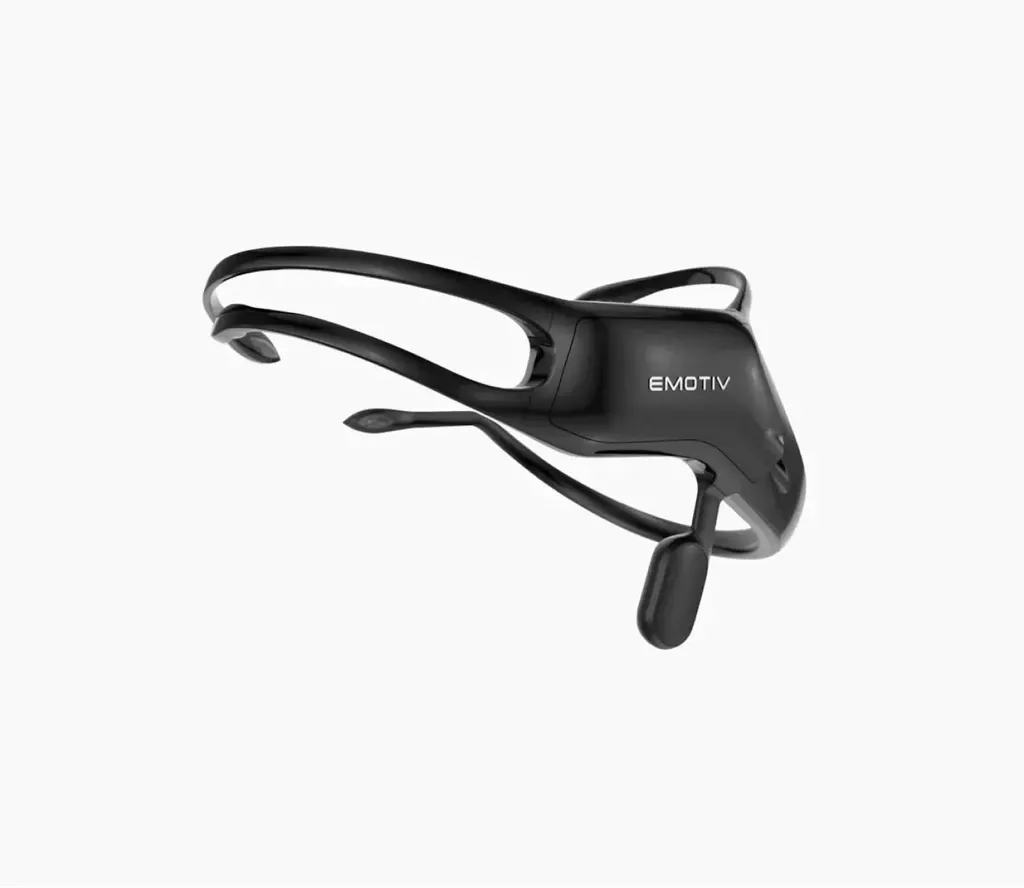 EEG headset
Best entry into neurogaming: 5 channels, light headband, semi-dry sensors, up to 20 hours of battery, and 9-axis IMU for head gestures.
Features and photos →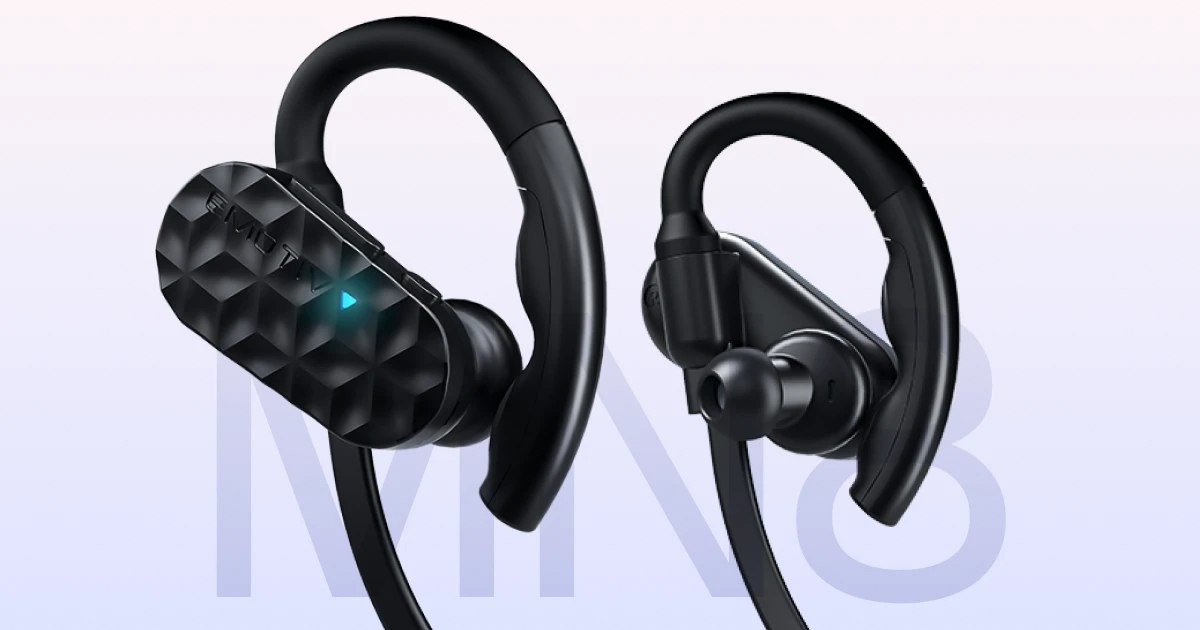 EEG headset
Inconspicuous format of true wireless earbuds: neuro-mechanics in mobile games and applications without a 'space-age' look on the head.
Features and photos →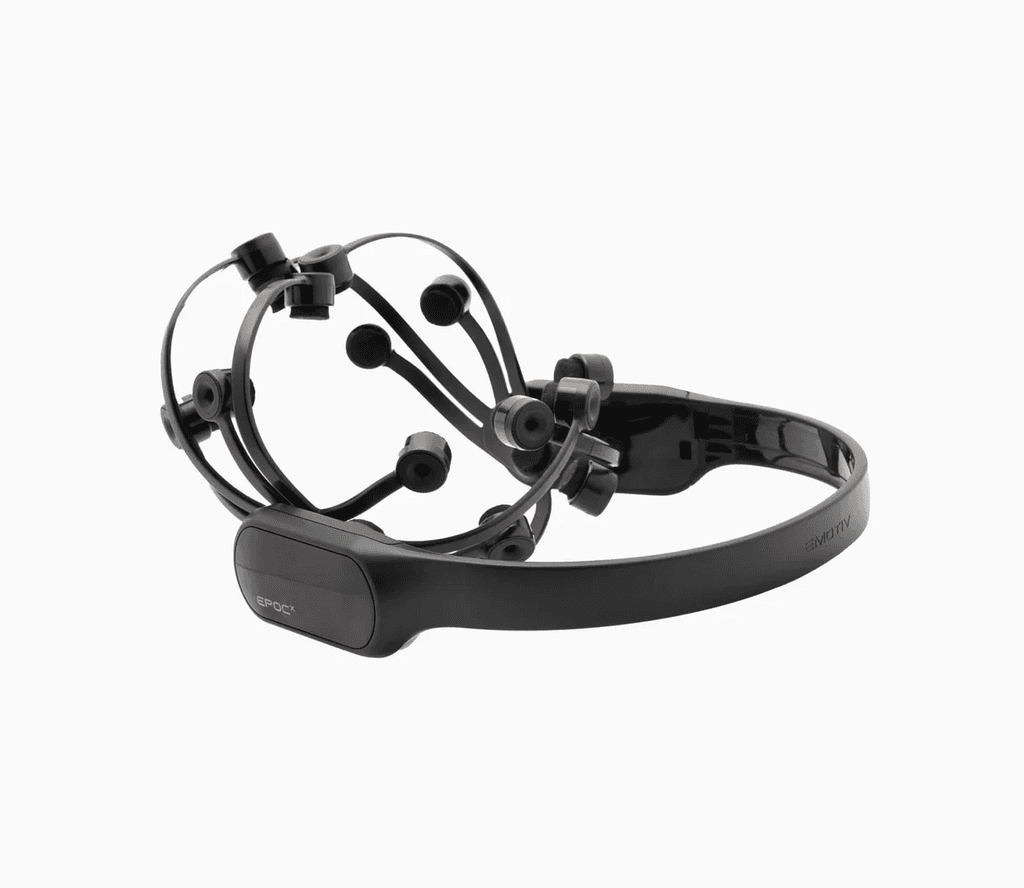 EEG headset
For serious neurointeractive projects and gameplay research: 14 channels in 10–20 system and full access to raw EEG.
Features and photos →Concentration, relaxation, and mental commands as direct game mechanics: telekinesis puzzles, racing 'with the brain', neuro-quests.
The game tracks player engagement and stress and balances difficulty in real time — the 'flow' experience is sustained longer.
VR scenes that respond to relaxation and attention: immersive meditations, breathing exercises, art installations.
Attention training, stress resilience, and recovery between rounds: player's EEG profile and week-to-week dynamics.
Neurocontrolled art objects and promotional zones: a visitor 'activates' an exhibit with concentration — guaranteed stream of attention to the brand.
Visualizing a streamer's state on air: attention and stress pulse in the overlay — a new layer of audience engagement.
Six measurable benefits: from startup speed to data quality and Russian-language support.
SDK and API for Unity, C++, Python and OSC, project examples and documentation: game development teams connect EEG as a regular input device.
Up to 20 hours of battery life (Insight 2): game jams, tournaments, and marathon streams run without a 'charging break'.
9-axis motion sensor provides head gestures and context for VR/AR: head tilts and rotations become control actions, and the neural signal is separated from artifacts.
Attention, relaxation, excitement, and focus update in real time — game mechanics are built directly on them, without custom ML development.
Lightweight wireless designs (headband or headphones): the headset doesn't press or overheat — you can play for hours.
We'll help with API, integration, and model selection for your mechanics — answers in Russian, without multi-day waits in English ticketing systems.
Describe your task: in 10 minutes, we'll select the model, software, and configuration for your industry's scenario.
Quote request — within a business day. Delivery throughout Russia, 12-month warranty.
We set up software and integrations, train your team in Russian: first recordings already on the day of delivery.
We support protocols and data, help scale implementation from pilot to production.
Emotiv equipment is not a medical device and is intended for research, development, and wellness scenarios. Device names belong to their respective owners.
We will send a quote with configuration, prices, and timelines — within one business day. Or call: a consultation takes 10 minutes.