zap
Quick start
The first training can be conducted on the day of delivery: semi-dry headsets do not require skin preparation and paste.
Ready-to-use scenario for psychologists, neurofeedback studios, and wellness centers: from initial client signal familiarization to course protocols with reports.
Neurofeedback is a method of biological feedback where a person in real time sees their own brain electrical activity and learns to voluntarily control it. The EEG headset records cortical rhythms—alpha, theta, beta, and sensorimotor rhythm (SMR)—and the software converts them into visual feedback: an animation, game, or sound signal that reacts to the desired state.
Practice is built on classic protocols. Relaxation training is based on enhancing the alpha rhythm (8–12 Hz) and reducing excessive theta activity, while attention training focuses on SMR (12–15 Hz) and beta activity with slow wave suppression. Reward thresholds are set individually: the first two to three sessions are spent on the basic signal map and calibration, followed by regular work with progress.
Equipment is selected based on the format: the semi-dry Insight headset with AF3/AF4/T7/T8/Pz channels is set on the client in minutes and is suitable for a stream of training sessions, while the gel FLEX system with custom leads is needed for protocols according to the international 10–20 system and scientific projects. We equip the workplace to your format: rack, feedback screen, software, and report templates.
Key signal indicators on which the methodology is built: from basic EEG rhythms to derived indices.
quiet wakefulness index; goal of relaxation protocols
sensorimotor rhythm — calm focus, attention stabilization
drowsiness and 'zoning out' markers; excessive theta control
active wakefulness; we monitor balance, not 'the more, the better'
classic attention index for concentration protocols
signal quality control, so feedback reflects brain activity, not blinks
We clarify client tasks and select protocols: relaxation, attention, or combined courses. We help with session templates.
We select headsets and software, send a quote within a business day, delivery across Russia — from Moscow to regions.
We provide training in Russian: headset fitting, signal reading, threshold configuration, and conducting the first session.
The client undergoes 10–20 sessions; the specialist sees the dynamics of metrics and adjusts thresholds between blocks.
At the end of the course, we create a visual report with dynamics of rhythms — for the client and for the studio's internal analytics.
Configurations that most often solve the use case — with a transition to full specifications and photos.
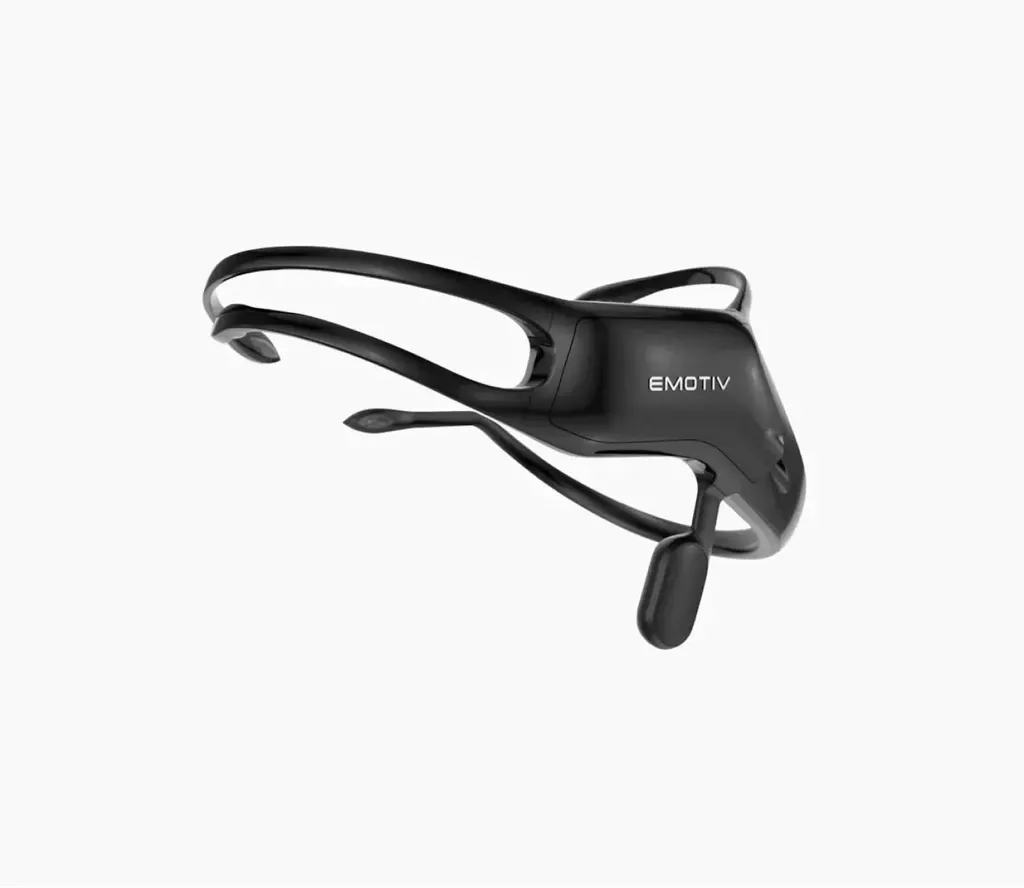 EEG headset
Semi-dry sensors and AF3/AF4/T7/T8/Pz channels — client is ready for a session in minutes, ideal for training flow
Features and photos →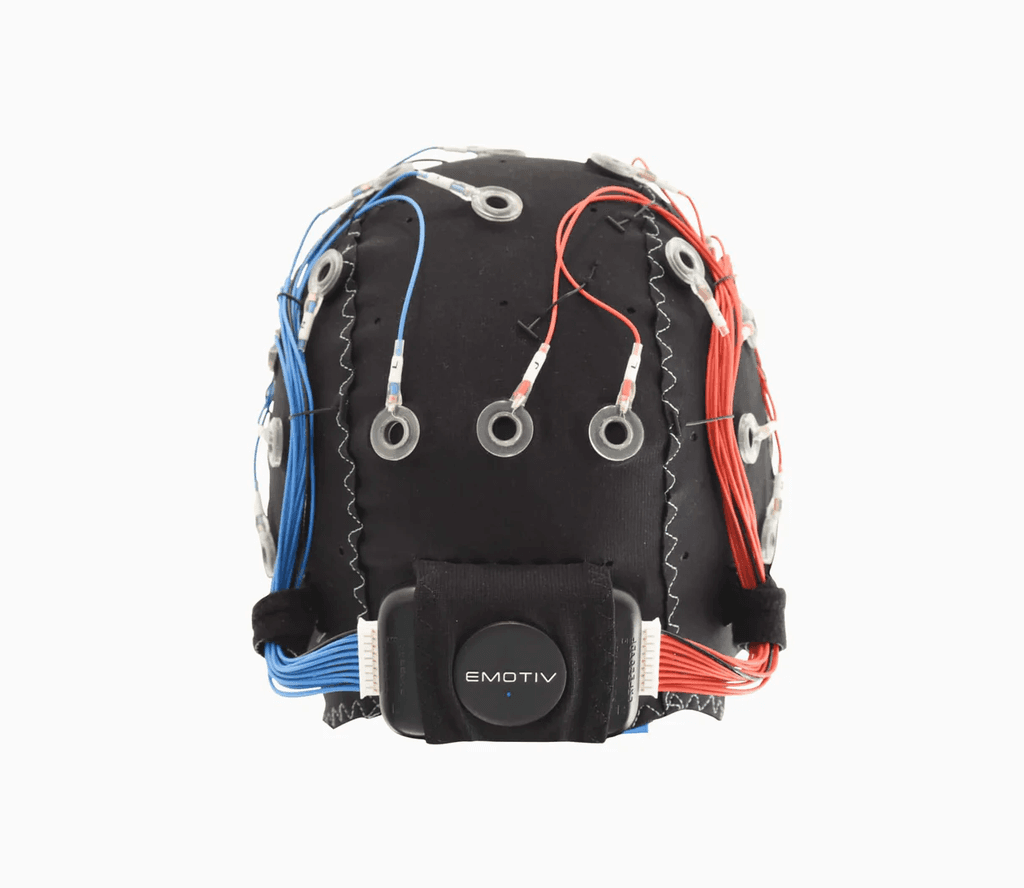 EEG headset
Up to 32 channels with gel sensors and custom leads in the 10–20 system — for professional protocols
Features and photos →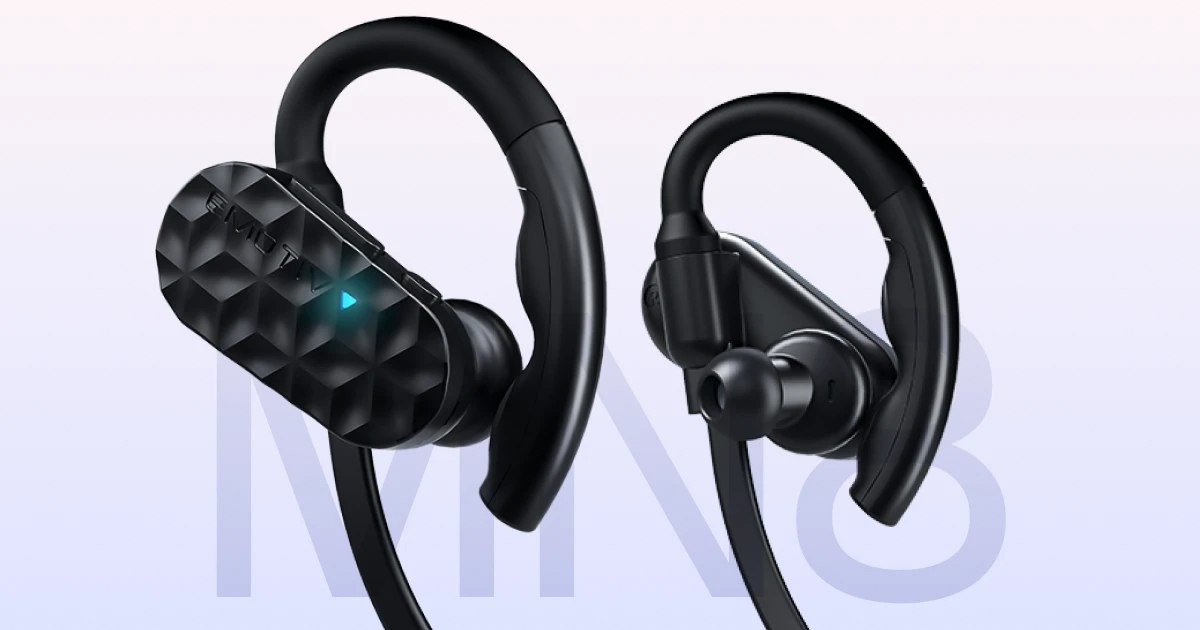 EEG headset
compact in-ear headset for basic training and short sessions in unprepared spaces
Features and photos →The first training can be conducted on the day of delivery: semi-dry headsets do not require skin preparation and paste.
Minimal setup hassle — a short session takes 15–30 minutes, allowing for efficient studio scheduling.
Reports with rhythm charts per course — a clear argument for the client to extend the program.
Neurofeedback — non-invasive training without stimulation: we register the signal and provide feedback.
Raw signal and metrics are available via SDK and LSL — you can integrate feedback into your own games and booths.
We consult on protocols and data, help with interpretation and software configuration at all stages.
Emotiv equipment is not a medical device and is intended for research, development, and wellness scenarios. Device names belong to their respective owners.
We'll send a quote with equipment, software, and timelines — within one business day. A phone consultation takes 10 minutes.