zap
Warning before error
Decreased attention is visible in EEG before it is in behavior — there is time for a break or substitution.
Use case for industry, transportation, and security: real-time objective assessment of operator state — via wireless EEG without stopping work.
Attention monitoring is the continuous assessment of a person's cognitive state during work: the EEG headset calculates attention, engagement, and load indices in real time, and your system receives them via API and raises a signal when the performer starts to 'drift'. Unlike video surveillance and questionnaires, EEG shows a decrease in concentration before an error, not after it.
Technologically, the solution is simple: a wireless headset with dry or semi-dry sensors is worn under a hat or helmet, the signal is processed on a local computer or gateway, and metrics go to your dashboard. The IMU filters out motion artifacts, and micro-disconnections do not ruin the recording—the buffer restores the stream. For long shifts, autonomy is critical: the Insight works for up to 20 hours on a single charge.
We implement such solutions in control rooms, simulators, and test sites: help choose a headset to match dress code and conditions, configure warning thresholds, and integrate metrics into existing monitoring systems. All accompanied by training and support in Russian.
Key signal indicators on which the methodology is built: from basic EEG rhythms to derived indices.
probabilistic concentration assessment from EEG — primary signal for triggers
level of task engagement; drop indicates monotony or overload
balance of rhythms, reflecting the complexity of the task being processed
complements the picture in stress-inducing sectors and emergency modes
increase in theta activity as an early sign of operator drowsiness
artifact filtering and posture control without additional sensors
Breaking down the use case: shift, environment, critical states, existing systems. We form requirements for the metrics.
We set up a pilot circuit for 2–5 workstations: headsets, gateway, metrics panel. We gather statistics on your processes.
Based on real data, we configure alert thresholds so operators receive signals timely and without false alarms.
We connect the metrics API to your SCADA/panel or our dashboard, configure roles and notifications.
We scale to departments, train responsible personnel, and maintain equipment according to regulations.
Configurations that most often solve the use case — with a transition to full specifications and photos.
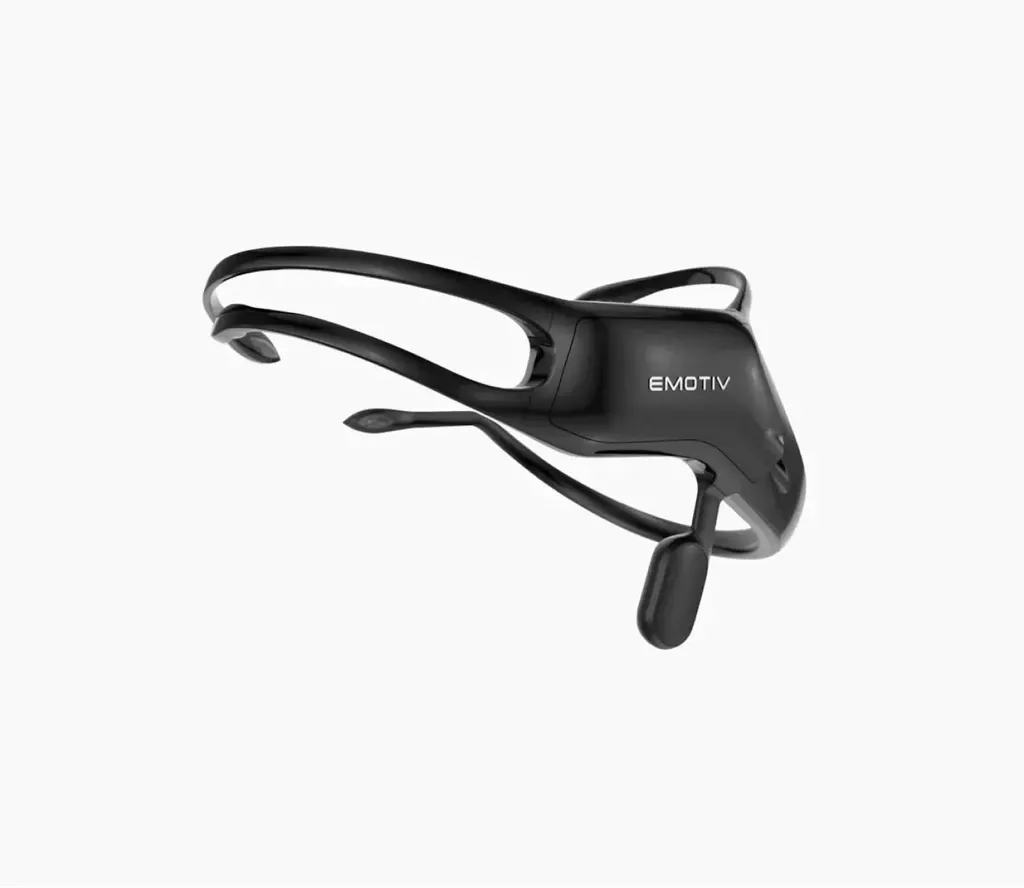 EEG headset
up to 20 hours battery life and semi-dry sensors — comfort for multi-hour shifts
Features and photos →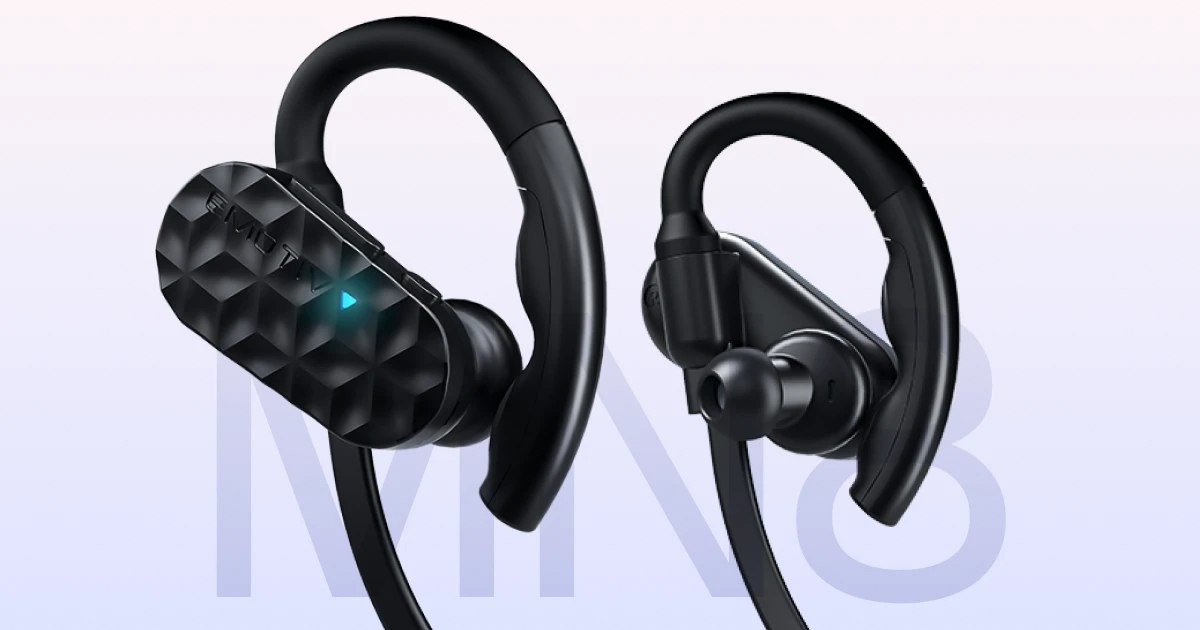 EEG headset
compact in-ear headset under helmet and headwear — unobtrusive and doesn't interfere with PPE
Features and photos →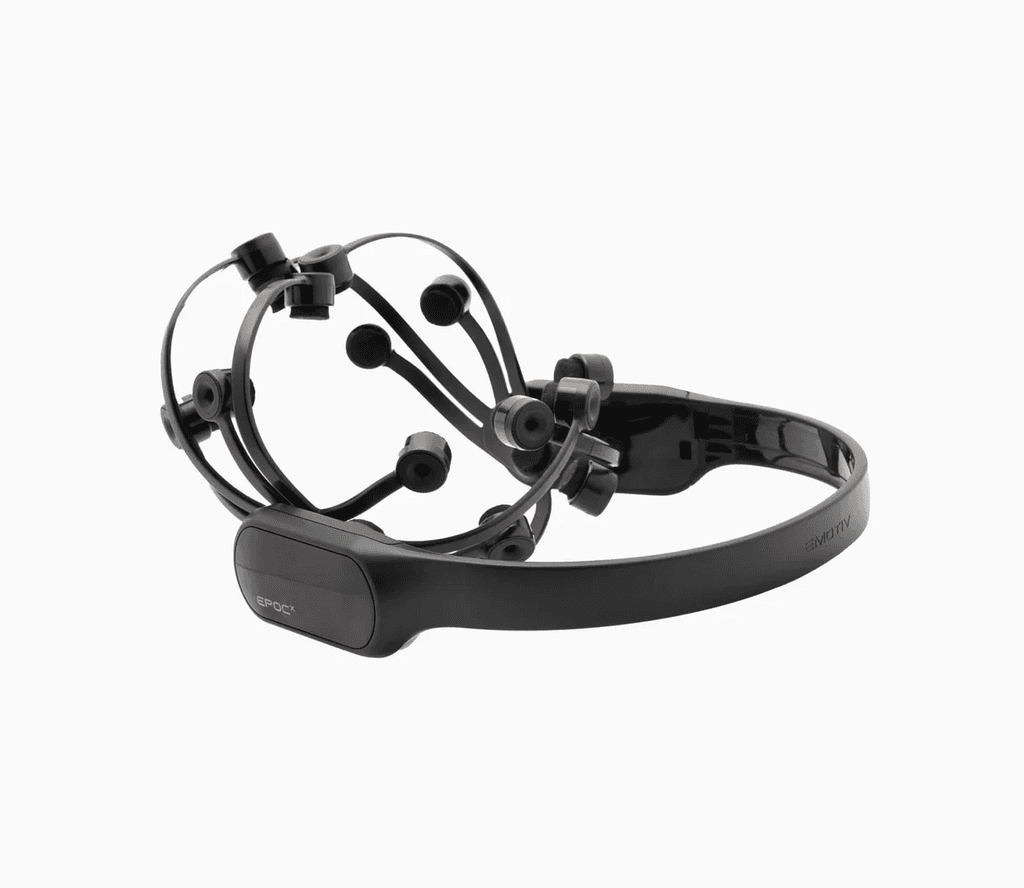 EEG headset
14 channels and 2048 Hz digitization — when you need your own algorithms on top of the raw signal
Features and photos →Decreased attention is visible in EEG before it is in behavior — there is time for a break or substitution.
Metrics are independent of self-report: you see the actual state, not 'everything is normal'.
API and LSL allow you to integrate metrics into SCADA, dashboards, and occupational safety systems without rewriting processes.
Compact headsets are compatible with helmets and headphones — they don't conflict with safety equipment.
Accumulated data show dangerous intervals and points of monotony — material for reorganizing schedules.
From pilot to production: selection, training, maintenance protocols — in Russian.
Emotiv equipment is not a medical device and is intended for research, development, and wellness scenarios. Device names belong to their respective owners.
We'll send a quote with equipment, software, and timelines — within one business day. A phone consultation takes 10 minutes.